
Letter recognition helps preschoolers start reading and writing. Preschool teachers, parents, and early childhood educators can use simple alphabet activities to teach letters. Hands-on learning with sensory play, active games, and arts and crafts makes learning fun.
Kids can build fine motor skills by tracing letters in sand, shaping them with playdough, or using crayons and markers. Alphabet puzzles, sensory bins, and letter sounds also help with letter identification. These methods support preschool learning and early literacy. Here are three quick and fun ways to teach preschoolers letter recognition.
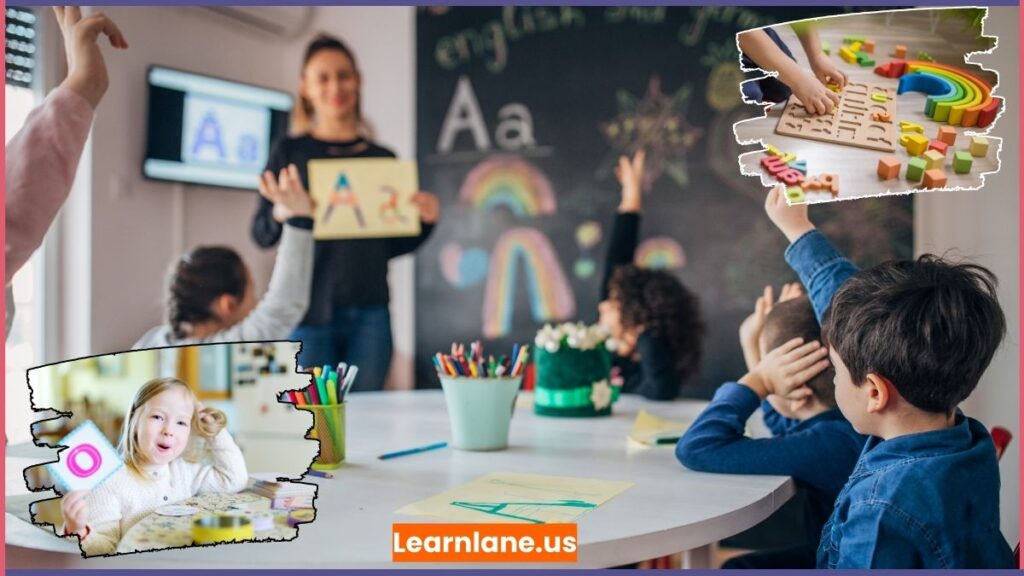
Method 1: Sensory Letter Play
Sensory play makes learning letters fun and memorable. Kids use their hands to explore letters. This helps them remember shapes and sounds.
- Glow-in-the-Dark Letters: Write letters on black paper with glow-in-the-dark paint. Turn off the lights and let kids trace the glowing shapes with their fingers. Say each letter’s name and sound as they touch it.
- Alphabet Sensory Bins: Fill a bin with rice, sand, or dried beans. Hide plastic or foam letters inside. As children dig for letters, ask them to name each one they find. For a glow-in-the-dark twist, use glow sticks or UV paint to highlight letters in a dimly lit corner.
- Playdough Letters: Provide playdough and letter-shaped cookie cutters. Kids press the dough into letter molds or shape it freehand. Pair this with letter sounds: “Can you make the letter that says /b/?”
- Fishing for Letters: Attach paperclips to letter cards. Use a magnet tied to a string as a “fishing rod.” Children “catch” letters and say their names.
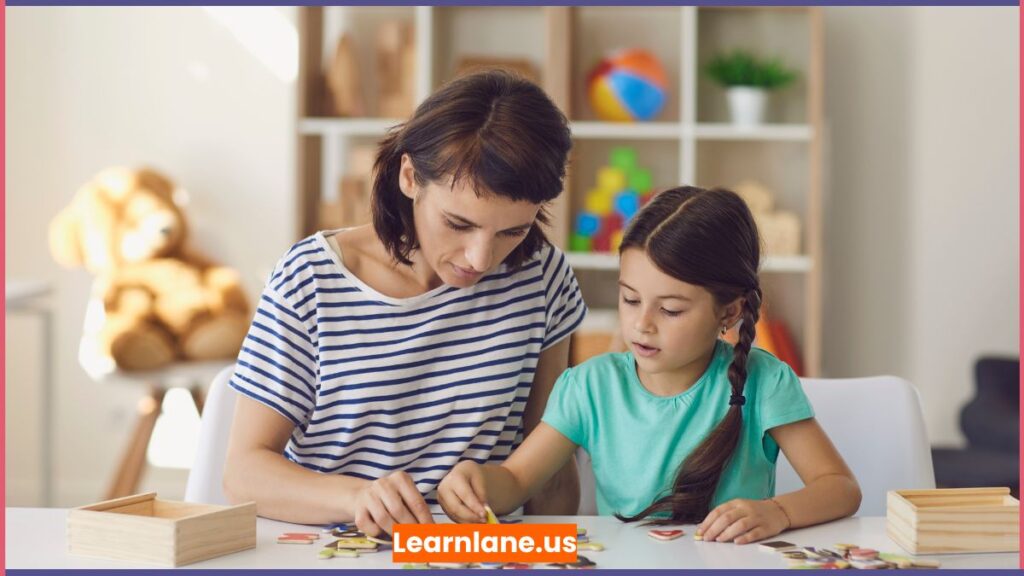
Why it works: Sensory play links letters to textures and movement. Kids remember letters faster when they feel, see, and hear them.
2. Active Letter Games
Kids love to move. Active games keep them engaged while learning letters.
- Kick the Letter Cup: Write letters on plastic cups. Line them up and have kids kick a soft ball toward the cups. When a cup falls, they name the letter. For older kids, ask for the letter sound too.
- Alphabet Hopscotch: Use chalk to draw letters on the ground. Call out a letter, and kids jump to it. Add a tech twist by using a sound wave app: play a letter sound (e.g., /m/) and have them find the matching letter.
- Letter Hide-and-Seek: Hide letter cards around the room. When a child finds one, they say the letter and place it on a matching poster.
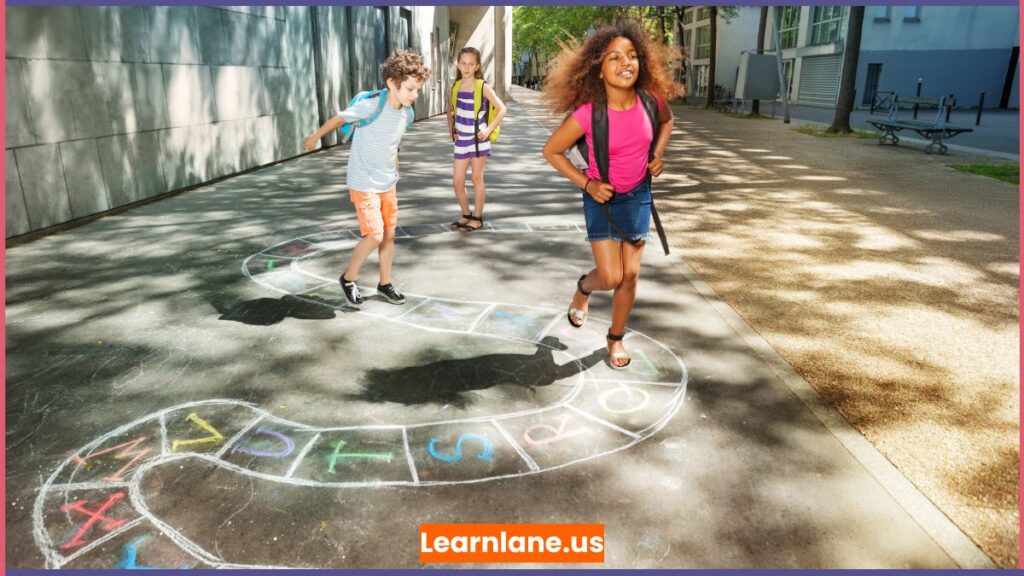
Why it works: Active games channel preschoolers’ energy into learning. Movement helps solidify memory and keeps kids engaged.
3: Creative Letter Crafts
Arts and crafts make learning letters hands-on. They also encourage creativity.
- Tactile Letter Gardens: Fill trays with nature textures: moss, stones, sand. Shape letters using twigs, shells, or petals. Kids feel textures while identifying letters. For a growing twist, plant seeds in letter shapes.
- Letter Collages: Cut out large letters from cardboard. Let kids decorate them with torn paper, buttons, or fabric scraps. Hang their artwork to create an “alphabet wall.”
- Name Art: Write each child’s name in bold letters. They trace it with glue and sprinkle glitter or colored salt over it. Discuss each letter as they work.
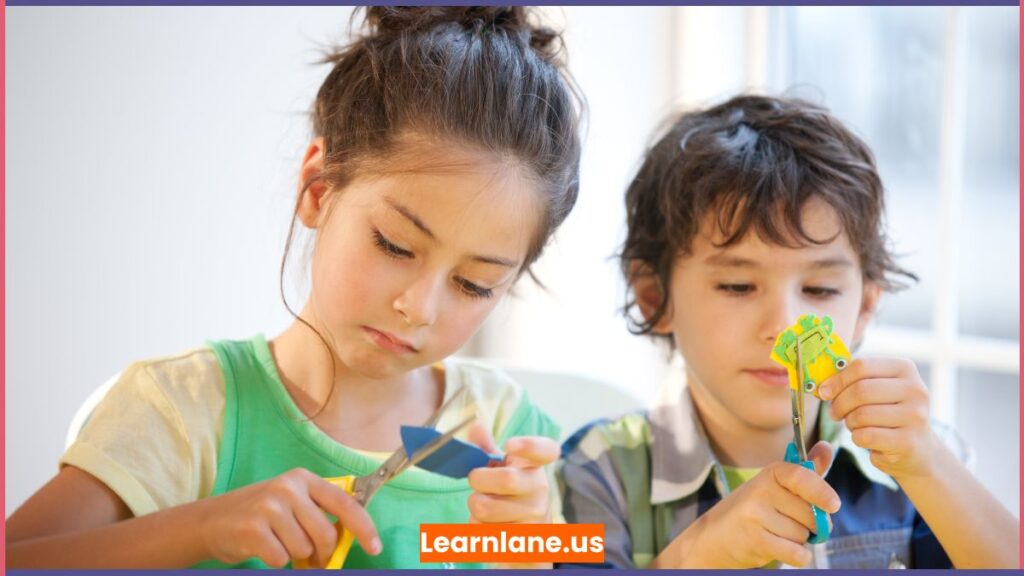
Why it works: Arts and crafts make letters tangible. Decorating letters helps kids internalize their shapes and builds fine motor skills.
Read Why Fine Motor Skills Matter for Preschoolers
Why These Methods Work
Preschoolers learn best when activities engage their senses, bodies, and creativity. Research shows that hands-on methods like sensory play, active games, and arts and crafts build strong letter recognition skills.
Sensory Play connects letters to textures, sights, and sounds. Digging for letters in rice or tracing glow-in-the-dark shapes helps kids remember letter names and sounds. Feeling playdough letters or fishing for alphabet cards makes learning tangible. Studies show sensory play builds nerve connections in the brain, boosts language skills, and helps regulate emotions.
Active Games turn letter practice into play. Kicking letter cups or jumping on chalk-drawn letters keeps kids moving and focused. Activities like hide-and-seek with letter cards channel energy into learning while building memory. Research shows active games improve executive functions like memory and attention.
Read How Sensory play engages multiple senses?
Arts and Crafts make letters real. Decorating collages with buttons or shaping letters with twigs strengthens hand muscles. Tracing glitter names or planting seeds in letter shapes helps kids internalize letter forms. Crafting also teaches patterns, spatial awareness, and boosts confidence.
Creative Twists spark curiosity. Using glow sticks, sound wave apps, or nature materials adds surprise to lessons. Novelty keeps kids excited to learn. Studies show creative activities enhance problem-solving, imagination, and collaboration. [1][2][3]
Conclusion
Teaching letter recognition doesn’t have to be hard. Use sensory play, active games, and arts and crafts. These methods are simple, fun, and effective.
Be consistent and keep it playful. Kids learn best when they’re having fun. With these tips, your preschoolers will be recognizing letters in no time.