
How to Implement Sensory Play in Early Learning Environments?
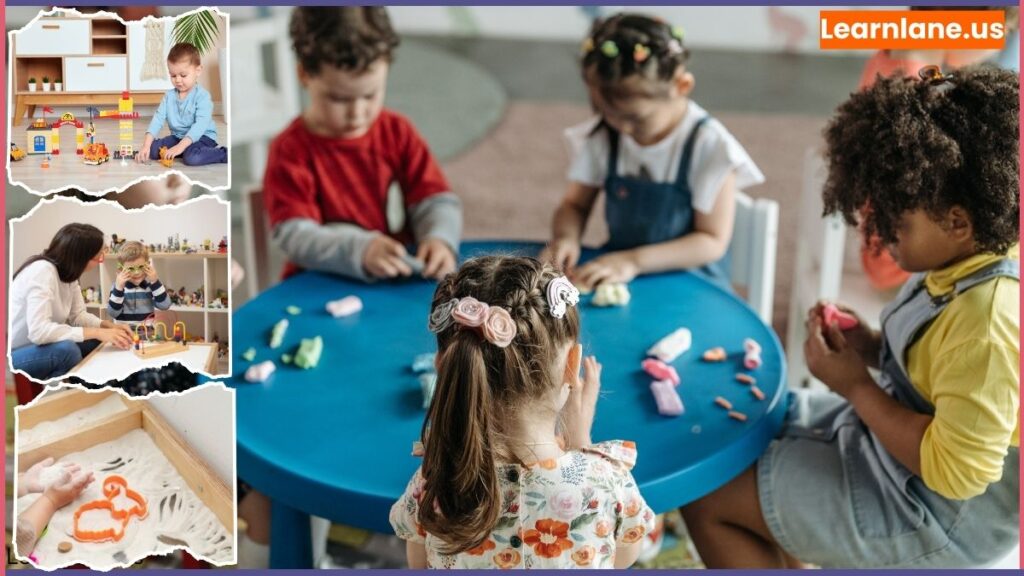
Sensory play builds thinking, social, and motor skills. Teachers can use simple hands-on activities to engage different senses. Both structured tasks and free play help children explore and learn in their own way. Create Sensory-Rich Environments A well-designed sensory environment includes spaces that invite exploration, comfort, and engagement. Designated sensory areas within classrooms or play […]
7 Types of Sensory Activities for Preschoolers
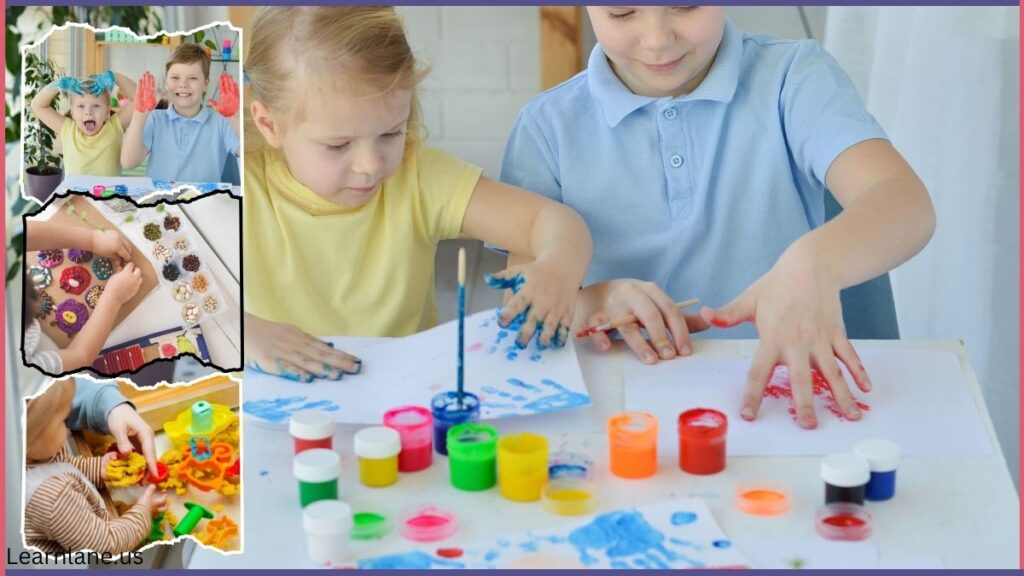
Sensory play engages the senses to support cognitive, emotional, social, and physical development. It strengthens neural pathways, improves problem-solving skills, and boosts creativity. Seven senses shape how children interact with the world. Touch (Tactile) explores textures and temperatures. Sight (Visual) detects colors, patterns, and movement. Hearing (Auditory) processes sounds and rhythms. Smell (Olfactory) identifies scents. […]
Role of Sensory Play in Early Learning
Sensory play engages multiple senses—touch, sight, sound, smell, and taste—while also stimulating the vestibular (balance) and proprioceptive (body awareness) systems. From infancy through preschool, children use sensory exploration to understand their environment, build cognitive connections, and develop essential life skills. Occupational therapists, speech therapists, early childhood educators, and preschool teachers highlight that sensory play strengthens […]
How Coloring Helps in Early Childhood Learning?
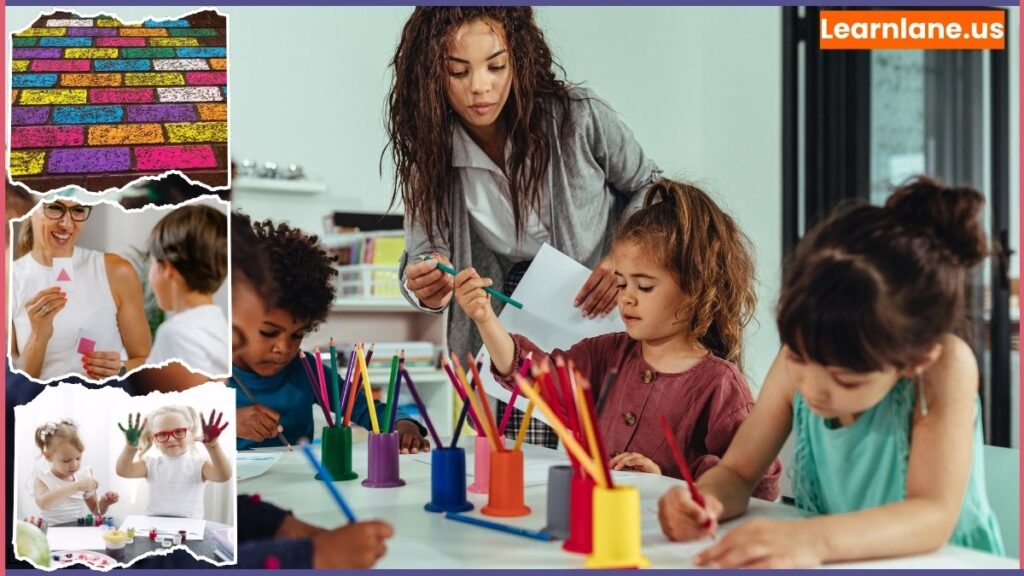
A toddler grips a crayon and scribbles with excitement. This simple activity builds fine motor skills and hand-eye coordination. Coloring improves pencil grip, strengthens hand muscles, and enhances spatial awareness. It also boosts cognitive development, creativity, andre imagination. Coloring helps children recognize colors, shapes, and patterns. It promotes focus, concentration, and emotional regulation. Research shows […]
3 Ways to Teach Preschoolers Letter Recognition
Letter recognition helps preschoolers start reading and writing. Preschool teachers, parents, and early childhood educators can use simple alphabet activities to teach letters. Hands-on learning with sensory play, active games, and arts and crafts makes learning fun. Kids can build fine motor skills by tracing letters in sand, shaping them with playdough, or using crayons […]
Why Fine Motor Skills Matter for Preschoolers: A Teacher’s Guide
We’ve all seen it. A child struggles to hold a pencil. They fumble with scissors. They get frustrated buttoning their coat. These moments matter. Fine motor skills are key for small muscle movements. They help with writing, cutting, and dressing. Preschoolers need these skills for school and life. As early childhood educators, we play a […]